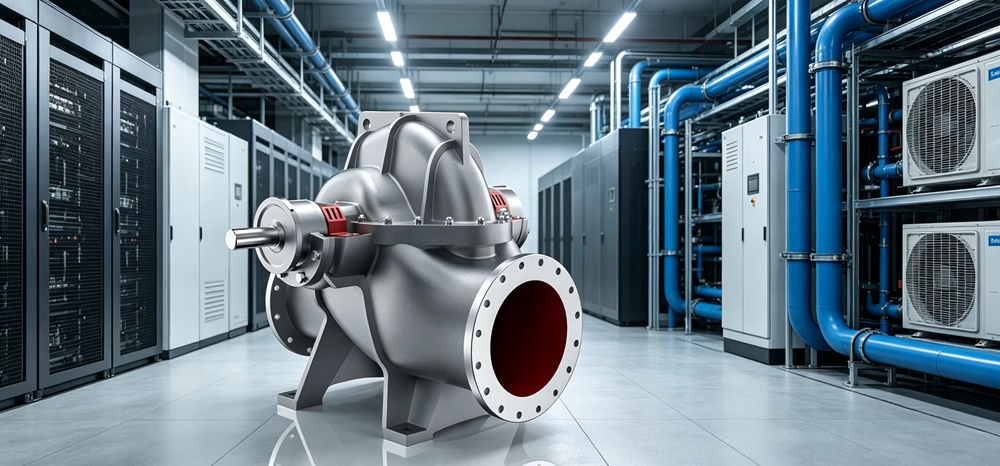
In the race to build larger, more powerful data centers—especially those supporting AI and high-performance computing—cooling has become one of the most critical engineering challenges. Cooling systems can account for nearly 40% of a facility’s total energy consumption, making efficiency a top priority.
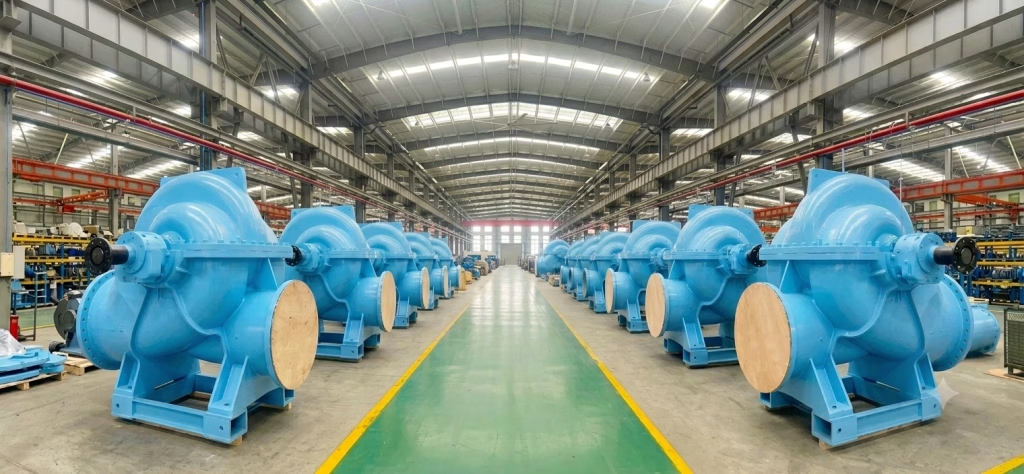
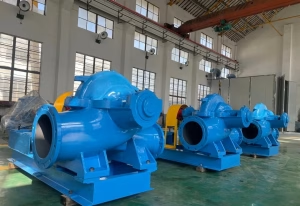
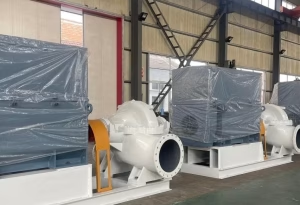
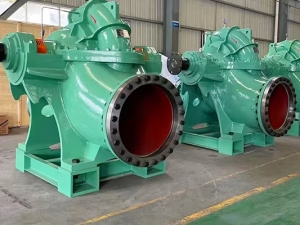
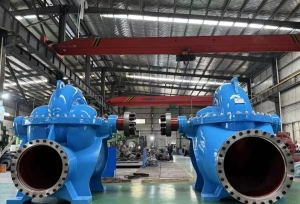
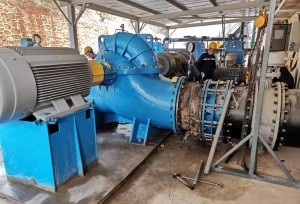
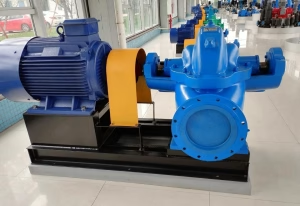
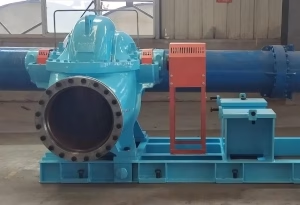
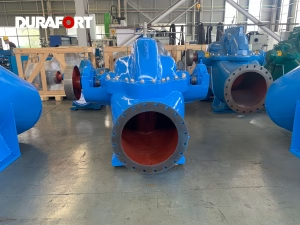
One of the most effective yet often overlooked solutions is the horizontal split case pump. These pumps are the workhorses of large-scale cooling loops, quietly delivering the massive water flows required to keep servers at optimal temperatures.
Here’s how data centers are leveraging horizontal split case pumps to optimize performance, reduce energy costs, and improve reliability.
Why Horizontal Split Case Pumps Are the Preferred Choice for Data Center Cooling
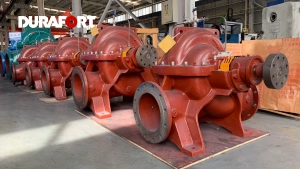
Data center cooling loops—whether chilled water systems or condenser water circuits—demand high flow rates, continuous operation, and unwavering reliability. Horizontal split case pumps, like Hunan Durafort’s XSP series or leading competitors’ models, are specifically engineered to meet these demands .
1. Unmatched Hydraulic Efficiency for Lower PUE
Power Usage Effectiveness (PUE) is the key metric for data center efficiency, and cooling is the biggest variable. Horizontal split case pumps are among the most hydraulically efficient pump types available. Leading models can achieve pump efficiency up to 93% (as with the XSP series) with advanced hydraulic designs .
This high efficiency translates directly into lower energy consumption per unit of flow. In a data center where cooling pumps run 24/7, even a small percentage point gain in efficiency can result in six-figure annual energy savings. High-efficiency pumps are a concrete step toward achieving a PUE below 1.2, a goal for many modern green data centers .
2. Double-Suction Design for Stability and Low NPSH
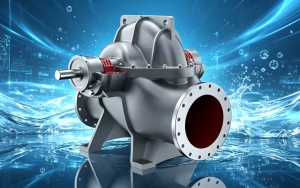
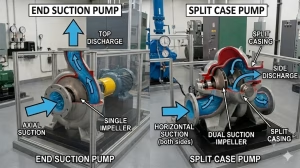
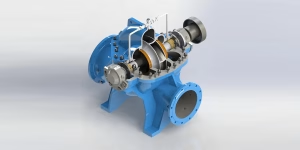
The defining feature of a horizontal split case pump is its double-suction impeller. Fluid enters the impeller from both sides, which hydraulically balances axial thrust. This results in:
- Lower vibration and longer bearing life – Smooth operation reduces mechanical stress, extending maintenance intervals .
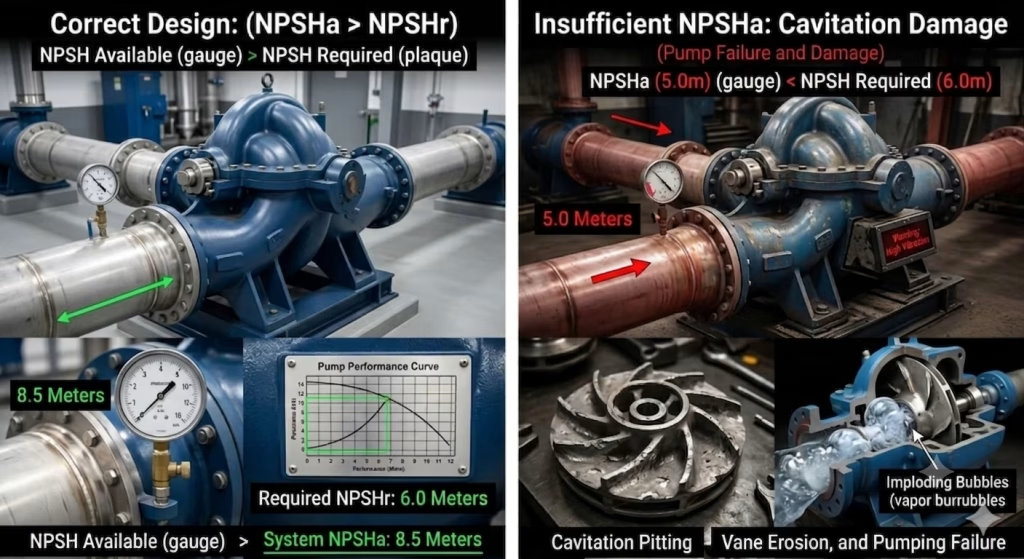
- Lower Net Positive Suction Head Required (NPSHr) – The balanced design makes these pumps less prone to cavitation, even with variable flow conditions. This is crucial for maintaining stable operation in the tight, often space-constrained environment of a data center mechanical room .
3. “Top Split” Design for Fast Maintenance
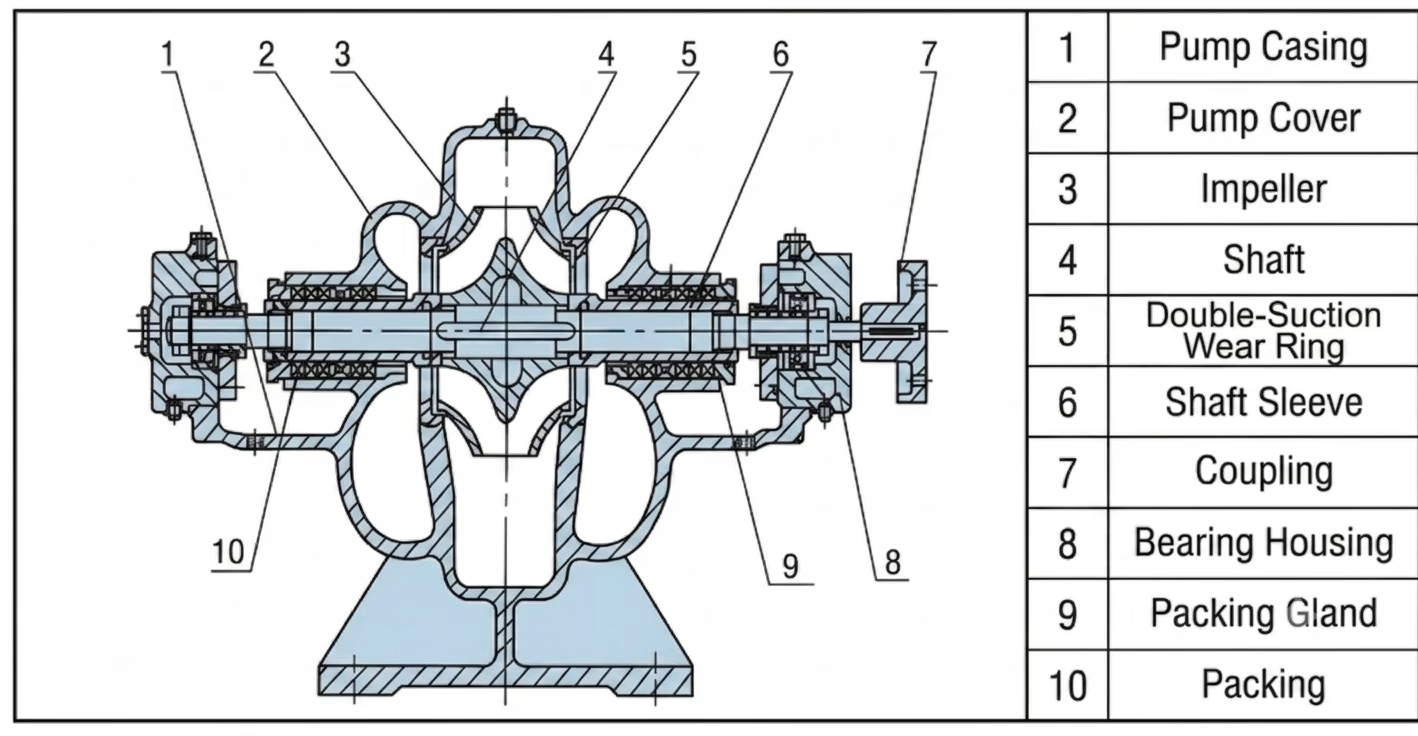
Data center downtime is measured in millions of dollars per minute. Horizontal split case pumps are designed with a casing that splits horizontally. The top half of the casing can be removed without disturbing the piping, motor, or alignment .
This “top pull-out” design allows maintenance teams to inspect or replace the impeller and bearings quickly, dramatically reducing Mean Time To Repair (MTTR). For a data center operator, this means shorter planned outages and faster recovery from unexpected issues.
4. High-Flow Capacity in a Manageable Footprint
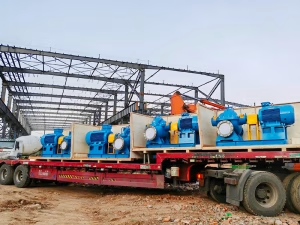
Data centers require massive volumes of water—often measured in thousands of cubic meters per hour. The XSP series, for example, handles flows from 135 to 38,000 m³/h. Modern designs also prioritize a compact footprint, with some manufacturers achieving up to 50% less floor space compared to older pump models, a critical advantage for dense mechanical plant rooms .
Applications in Data Center Cooling Loops
Horizontal split case pumps serve two primary functions in data center thermal management:
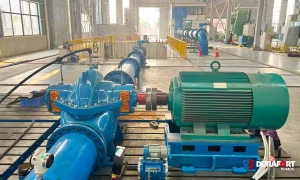
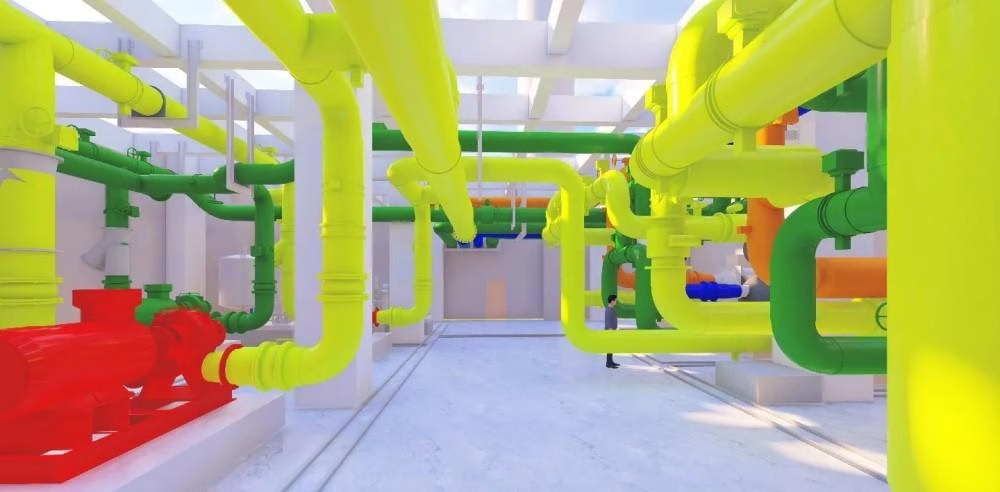
- Chilled Water Circulation (Primary Loop): Moving chilled water from chillers to the Computer Room Air Handlers (CRAHs) or chillers to liquid cooling distribution units (CDUs). These systems require high efficiency and precise flow control.
- Condenser Water Circulation (Secondary Loop): Pumping water through cooling towers to reject heat from the chillers. Condenser water pumps often handle large volumes against moderate heads, a perfect application for split case pumps .
For mission-critical applications, many facilities implement N+1 or N+2 redundancy with split case pumps to ensure 100% uptime.
5.Case Study: Optimizing PUE in a 50MW Hyperscale Data Center
To understand the real-world impact of advanced pump selection, let’s look at a recent thermal management upgrade for a 50MW hyperscale data center facility handling high-density AI workloads.
The Challenge: Rising PUE and Cavitation Risks
The facility was experiencing a massive surge in heat rejection requirements due to the deployment of next-generation GPU server racks. The existing end-suction pumps in the condenser water circuit were running at their absolute mechanical limits.
Operating under variable flow demands, these older pumps frequently suffered from cavitation during peak ambient summer temperatures, leading to:
- Frequent bearing failures and unexpected mechanical seal leaks.
- Increased vibration that threatened the stability of adjacent piping.
- A localized cooling system PUE spike to 1.45, far above the corporate green target of 1.25.
The Solution: Transitioning to High-Efficiency Horizontal Split Case Pumps
The facility’s engineering team decided to overhaul the secondary cooling loop, replacing the struggling end-suction units with a redundant $N+1$ configuration of Hunan Durafort XSP Series Horizontal Split Case Pumps.
The chosen units were specified with ductile iron casings and customized SS316L impellers to withstand the chemically treated condenser water. The upgrade focused on two critical technical parameters:
- Lower NPSHr (Net Positive Suction Head Required): The double-suction design of the XSP series significantly lowered the system’s suction head requirements, completely eliminating the risk of cavitation even during rapid flow fluctuations.
- Maximized Hydraulic Efficiency: The XSP pumps were precision-engineered to operate at their Best Efficiency Point (BEP), achieving a verified hydraulic efficiency of 93%.
The Results: Tangible ROI and Operational Stability
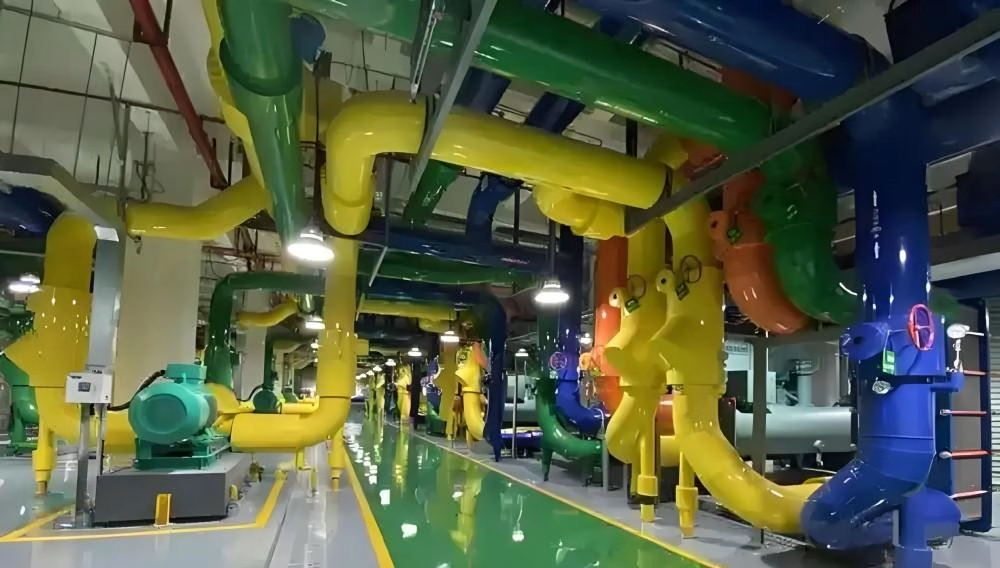
After 12 months of continuous 24/7 operation, the data center recorded substantial improvements across all key performance indicators:
- Energy Savings: Thanks to the 93% hydraulic efficiency, energy consumption in the condenser loop dropped by 14%, translating into over $85,000 in annualized electricity savings for the facility.
- PUE Reduction: The optimized cooling loop helped lower the overall facility PUE from 1.45 down to a stable 1.21, successfully meeting green data center certification standards.
- Zero Unscheduled Downtime: Thanks to the hydraulically balanced double-suction impeller, axial thrust vibration was virtually eliminated. Bearing temperatures remained perfectly stable, and the facility achieved 100% cooling uptime throughout the hottest months of the year.
6.Material Selection for Long-Term Reliability
The choice of materials is vital for cooling loops, which may use treated water, glycol mixtures, or even corrosive fluids in some specialized cooling systems. Hunan Durafort offers the XSP series in a wide range of metallurgies to suit various water qualities and operating conditions. Choices include:
- Ductile Iron / Carbon Steel: Standard for municipal water and clean cooling loops.
- Stainless Steel (304/316L) & Duplex (2205/2507): For corrosive water conditions or high-temperature applications.
- Super Duplex & Titanium: For aggressive environments requiring maximum corrosion resistance.
Conclusion: A Strategic Investment
For data center owners and operators, horizontal split case pumps are not just a commodity purchase—they are a strategic investment in long-term operational efficiency. By choosing a high-efficiency, horizontally split pump with the right materials and maintenance-friendly design, facilities can significantly reduce energy costs, ensure reliable cooling for high-density IT loads, and achieve sustainability targets.
When evaluating cooling system components, prioritize pumps that offer verified high efficiency (over 90%), low NPSHr, and easy maintenance access—these features deliver tangible ROI over the equipment’s lifecycle.
Need to upgrade your data center cooling? Contact Hunan Durafort’s engineering team to discuss the right XSP split case pump configuration for your specific flow, head, and material requirements.